Hmong OnlyFans: The Niche Nobody Talks About
One of OnlyFans' smallest ethnic categories—but scarcity breeds authenticity. Real Hmong creators, real cultural identity, zero generic content farms.
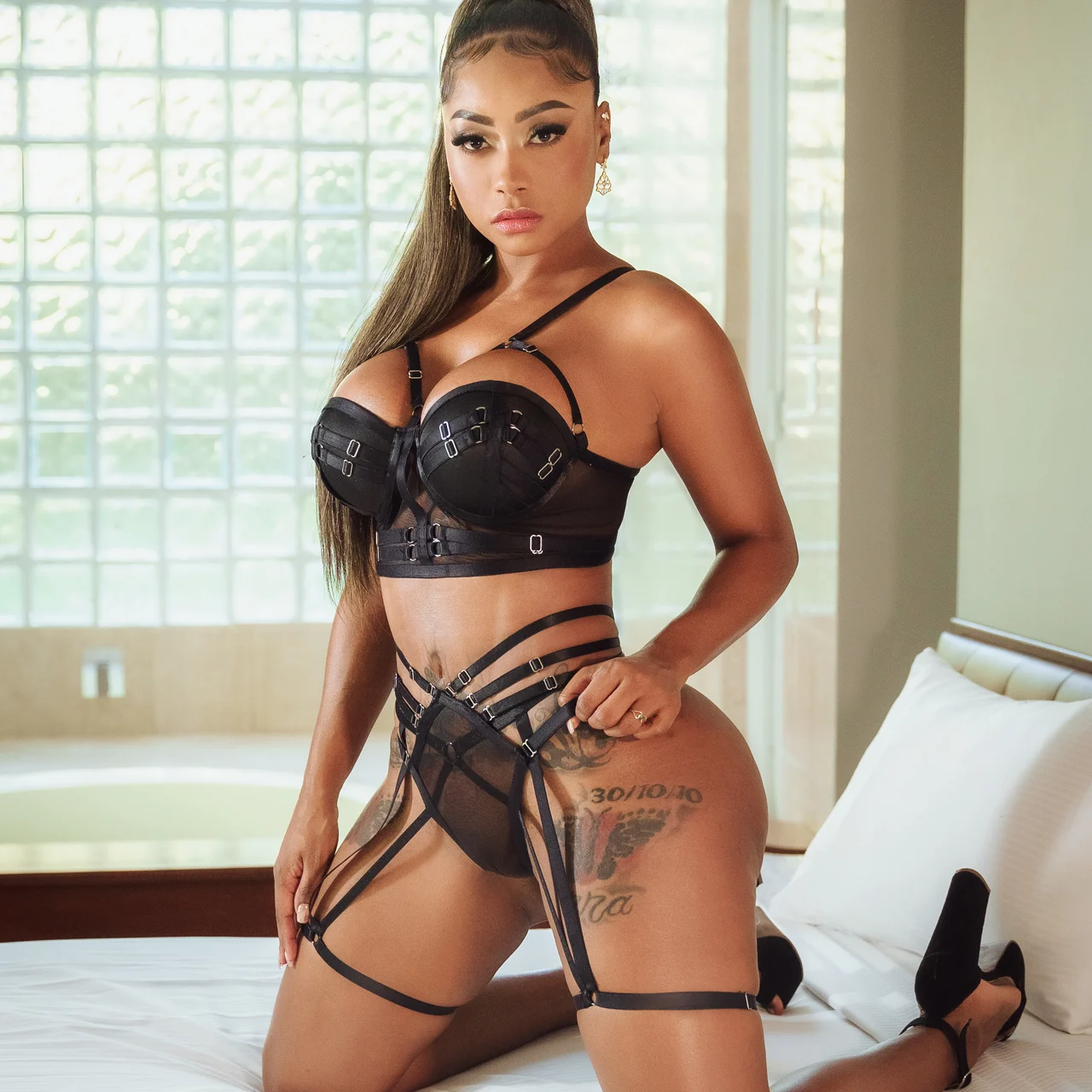
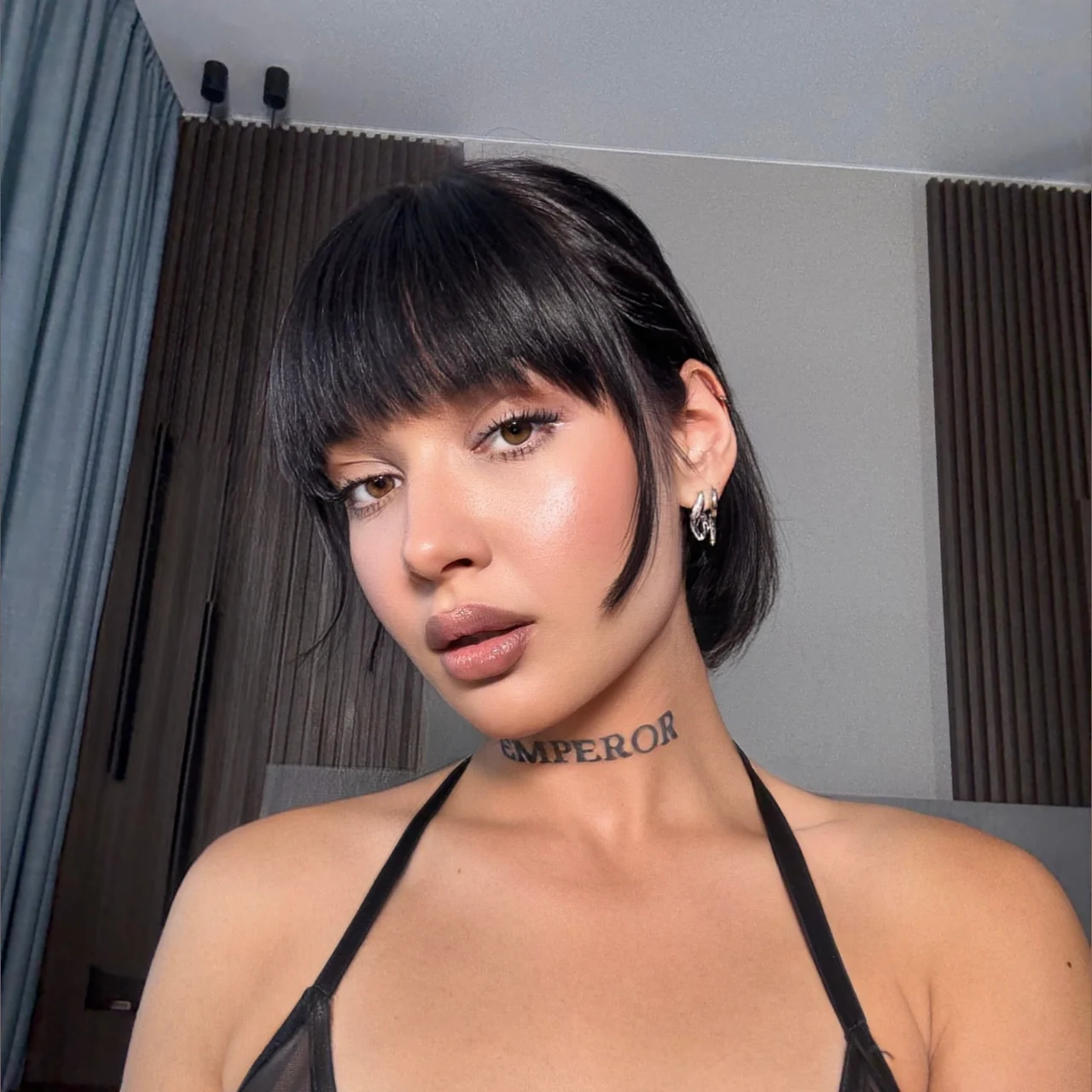
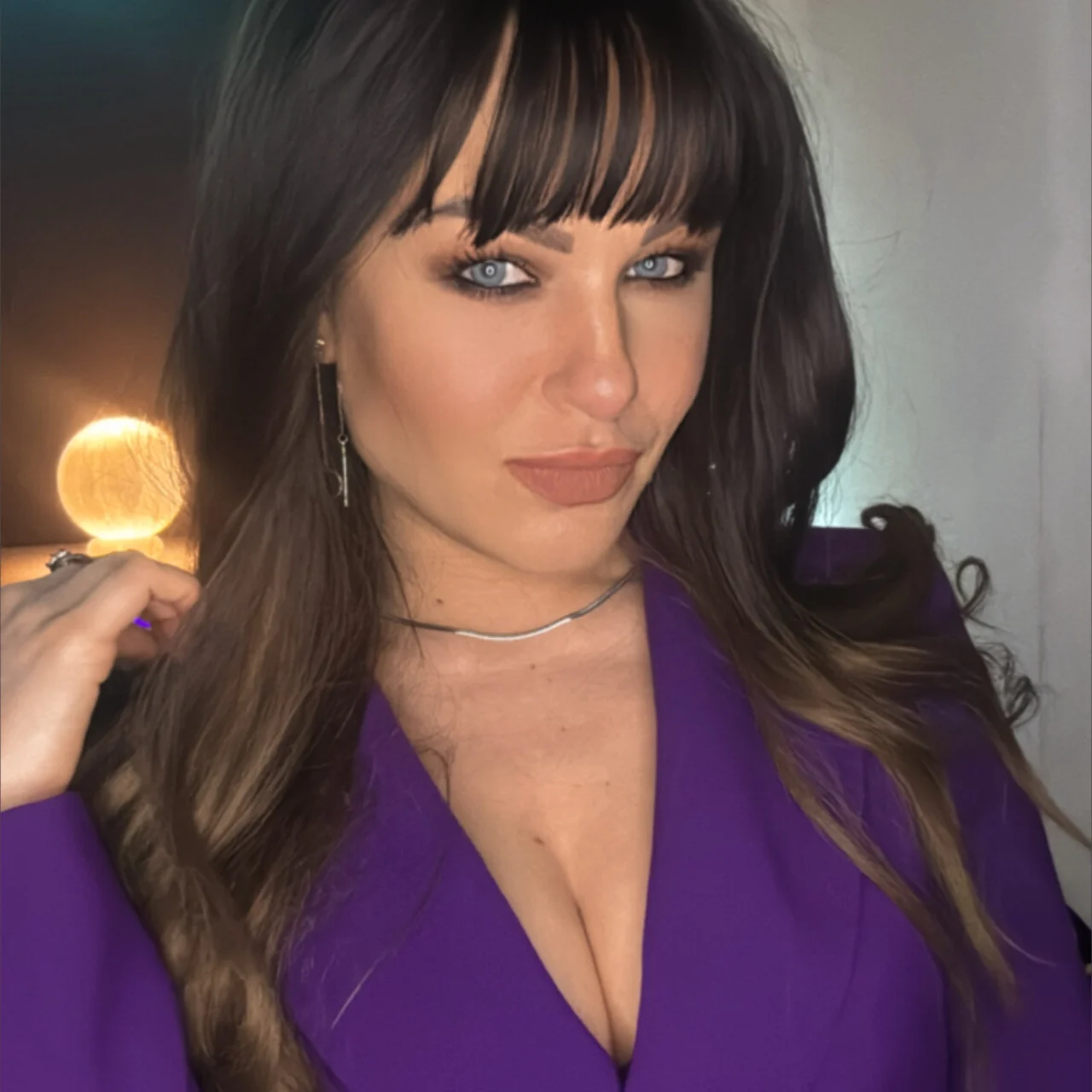
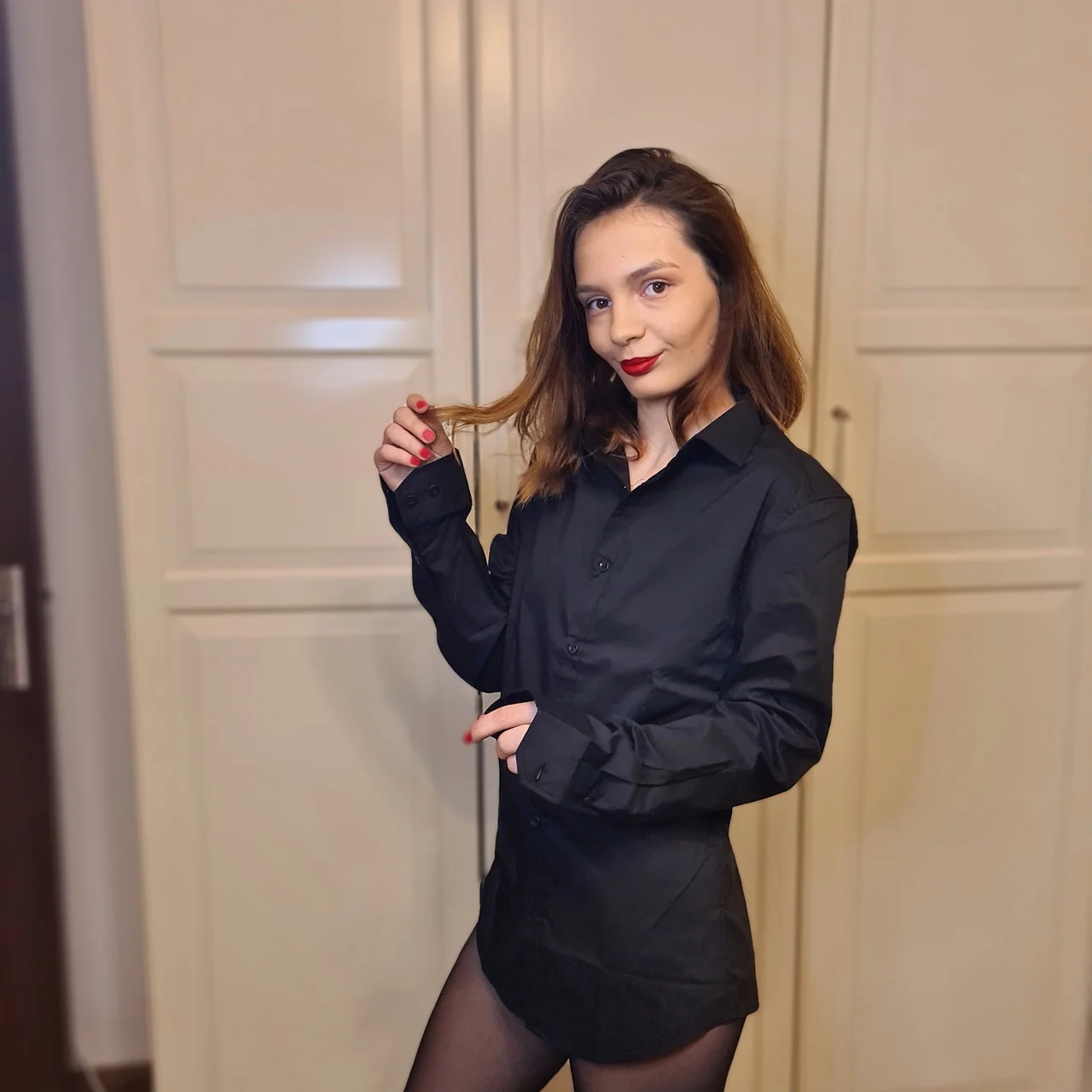
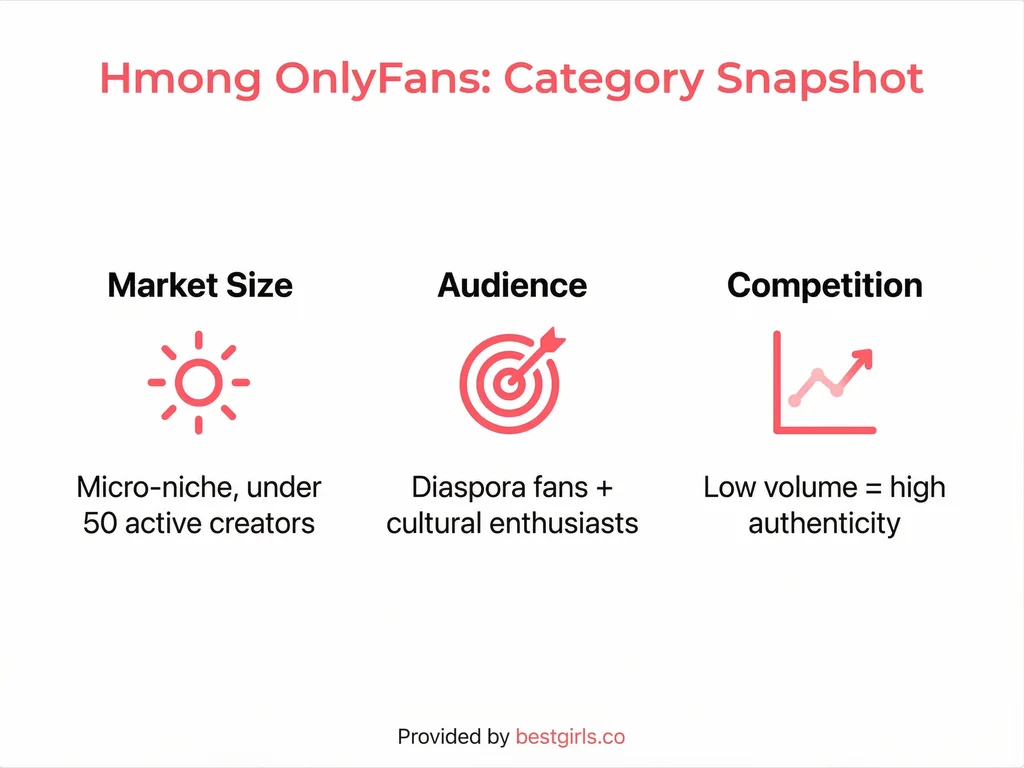
The Hmong OnlyFans niche doesn't exist on most discovery platforms. That's not a bug—it's what makes it interesting. With roughly 300,000 Hmong Americans concentrated in Minnesota, Wisconsin, and California, this is one of the smallest ethnic niches on the platform. And paradoxically, that scarcity creates something the oversaturated categories lost years ago: authenticity.
Unlike the Asian OnlyFans megacategory where creators compete with 50,000 others, Hmong creators operate in a space where cultural identity actually matters. Community discussions highlight this tension constantly—creators balancing traditional family expectations with digital entrepreneurship, navigating cultural stigma while building audiences who specifically seek Hmong representation.
The Reality of a Micro-Niche
What community discussions reveal: Hmong creators face unique pressures that mainstream Asian categories don't. Privacy concerns run deeper. Content leaks carry heavier social consequences within tight-knit diaspora communities. The creators who survive here are careful, deliberate, and authentically connected to their audience.
Our database tells an honest story: true Hmong-focused accounts are rare. Creators like x.mai.hx (@hmongmaiv) with 4,700+ likes represent the authentic end of this spectrum. Christina Xiong (@christinaxiong) pulls 4,300+ likes with content that resonates beyond just physical appeal—there's cultural recognition happening here.
Ab Kab (@ab_kkab) and Rapunzel (@r.apunzellll) round out the verified Hmong representation in our top performer list, each building dedicated followings in a category that simply doesn't have the volume of competitors to fake your way through.
The Cultural Complexity You Should Know
The Hmong OnlyFans conversation isn't just about content—it's wrapped in layers of community dynamics that don't exist in mainstream categories. Recent years have seen heated debates within Hmong communities about creators on the platform, with some members expressing concern about representation while others defend personal autonomy and economic opportunity.
What does this mean for subscribers? Creators in this space tend to be:
- More selective about content — Privacy matters more here than in high-volume niches
- More engaged with genuine fans — Smaller audiences mean actual conversations
- More protective of their identity — Anonymity features get used heavily
- More likely to share cultural context — It's part of what makes them distinct
Who's Actually Worth Following
| Creator | Username | Engagement | What Sets Them Apart |
|---|---|---|---|
| x.mai.hx | @hmongmaiv | 4,737 likes | Authentic Hmong representation, consistent posting |
| Christina Xiong | @christinaxiong | 4,323 likes | Strong community connection, cultural identity forward |
| Ab Kab | @ab_kkab | 3,104 likes | Growing presence in the Hmong diaspora fanbase |
| Rapunzel | @r.apunzellll | 2,819 likes | Creative content approach, responsive to fans |
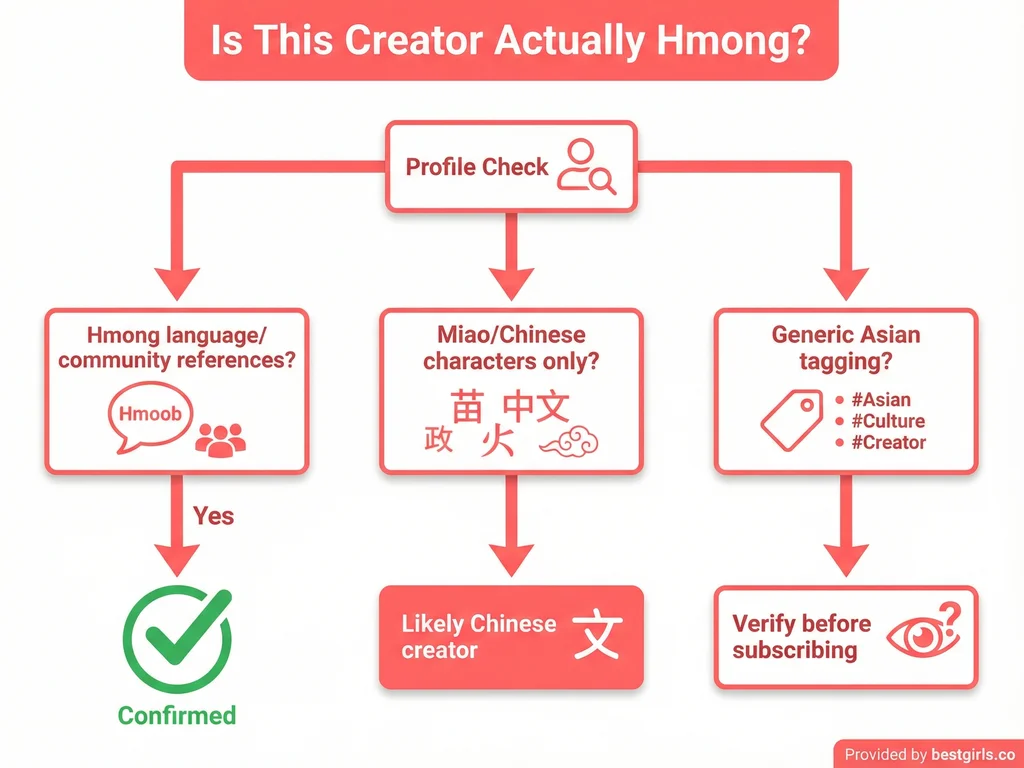
A note on the "miao" accounts in our database—many are Chinese creators (苗/Miao is Mandarin), not Hmong. Don't conflate them. The search overlap creates confusion, but authentic Hmong representation is identifiable through profile context, engagement patterns, and community recognition.
Red Flags in This Category
Small niches attract two types of fakes: generic Asian creators adding "Hmong" as a searchable tag, and aggregator accounts reposting stolen content. Since the Hmong OnlyFans community is tight-knit, fake accounts get called out faster than in mainstream categories—but you should still watch for:
- Zero community engagement — Real Hmong creators interact with diaspora fans
- Stock-looking content — If it could be anyone, it probably isn't authentic
- Mega-link requests — A sign of leaked content resellers, not real creators
- No cultural context — Authentic creators acknowledge their background
Pricing Expectations
Micro-niche economics apply here. Expect:
- Subscription: $8-20/month — Lower than mainstream Asian categories
- PPV: Moderate — Less aggressive upselling than high-volume accounts
- Custom content: Available but selective — Creators are choosier about requests
The value proposition is different here. You're not getting content-farm volume—you're getting access to creators who represent something specific, engage genuinely, and exist in a space too small for the typical OnlyFans grind-and-ghost cycle.
Adjacent Categories Worth Exploring
If Hmong representation matters to you, these related niches offer similar authenticity dynamics:
- Southeast Asian OnlyFans — Thai, Vietnamese, Lao creators with similar cultural navigation
- Asian OnlyFans — The broader category for higher volume options
- Petite OnlyFans — Body type overlap with many Hmong creators
Searching for Hmong OnlyFans means searching for something specific. The creators who show up authentically in this space aren't here to be everything to everyone—they're here because their cultural identity is part of what they offer. That specificity is the whole point.
FAQ
Why are there so few Hmong OnlyFans creators compared to other Asian categories?
The Hmong American population is around 300,000—one of the smallest Asian ethnic groups in the US. Combined with cultural stigma around adult content in tight-knit diaspora communities, creator numbers stay low. Scarcity means the creators who do exist tend to be more authentic and engaged.
How do I tell the difference between Hmong and Chinese Miao creators?
Search results conflate these because 'Miao' (苗) is Mandarin for Hmong-related ethnic groups. Check profiles for Hmong-language references, Minnesota/Wisconsin/California location indicators, or diaspora community engagement. Accounts with only Chinese characters are typically Chinese creators, not Hmong American.
Are Hmong OnlyFans accounts more likely to go inactive?
Community pressure creates higher churn in this niche. Privacy breaches hit harder in close-knit communities where everyone knows everyone. Creators who survive long-term tend to prioritize anonymity features and have clear boundaries with their content.
Do Hmong creators respond to DMs more than mainstream accounts?
Generally yes—small audiences mean actual relationships. Creators in micro-niches can't rely on volume, so genuine engagement becomes their competitive advantage. Expect more personal interaction than high-volume Asian accounts offer.
Is there specific Hmong cultural content or is it just labeled Asian content?
Authentic Hmong creators often incorporate cultural context—whether that's acknowledging traditional expectations they're navigating, connecting with diaspora fans who share their background, or simply being upfront about their identity. Generic 'Asian' tagging without cultural specificity usually indicates mislabeling.